Reviewed by Registered Massage Therapist Nuchanart (Mew) Kachowski
Updated: July 2026
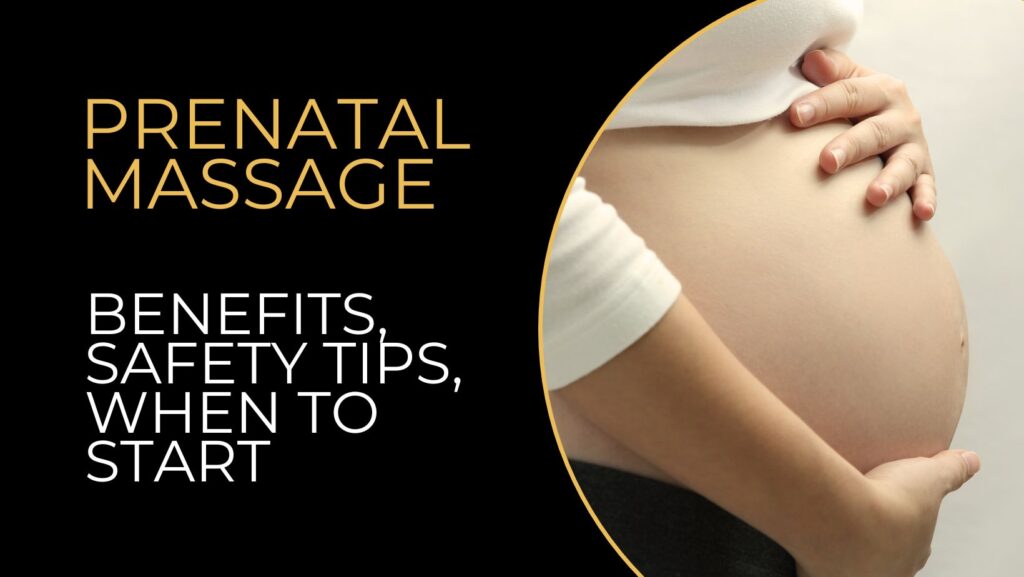
Pregnancy is an incredible time filled with excitement and anticipation. But it can also come with plenty of uncomfortable moments. If you’re feeling tired, achy, or stressed (or maybe all three!), prenatal massage might be exactly what you need.
Prenatal massage is specifically designed to help you relax, ease common pregnancy pains, and support your emotional well-being. But before booking your first appointment, it’s good to understand what prenatal massage is, its benefits, when it’s safe to start, and how to stay comfortable.
Let’s dive into everything you need to know about prenatal massage during pregnancy.
What Is a Prenatal Massage?
Prenatal massage is a gentle massage specifically designed for pregnant women. It’s softer and more relaxing than a regular massage, focusing on your comfort and safety throughout pregnancy.
Your therapist will use gentle, soothing techniques to ease pregnancy-related aches and pains. For example, they might use long, soft strokes to relax tight muscles, gentle touches around your head and neck to relieve stress, or slow, careful stretches to ease muscle tightness.
Overall, prenatal massage is all about gentleness. Your registered massage therapist is specially trained to support you safely and your changing body, helping you feel relaxed, comfortable, and cared for.
When Can You Start Getting Prenatal Massages?
Generally, massage therapists and healthcare providers advise waiting until you’re past your first trimester (around 13 weeks), but be sure to ask your doctor for your specific pregnancy. This recommendation is mostly out of caution due to the higher risk of miscarriage early on, not because massage itself is unsafe.
If nausea or stress is intense during your first trimester, some therapists might offer gentle massages, but you should always get your doctor’s okay first.
Once you reach your second trimester, massages can become a regular part of your routine, often scheduled every two weeks. By the third trimester, many moms-to-be benefit from weekly sessions to help cope with extra aches and swelling and to prepare for labour.
Every pregnancy is different, so the best time to start prenatal massage can vary. Always check with your healthcare provider to get personalized recommendations.
Prenatal Massage Benefits
Prenatal massage may seem like only a luxurious treat, But It can genuinely improve how you feel throughout your pregnancy. Here are some of the main benefits:
Pain Relief
As your baby grows, you might notice new aches and pains, especially in your lower back, hips, feet, or even shooting pains like sciatica. Prenatal massage can gently soothe these areas, helping you move more comfortably through your day.
Stress Reduction and Better Sleep
Prenatal massage helps calm your nervous system, which can help take the edge off day-to-day stress. Many pregnant clients also notice a lift in mood after a session, along with improved relaxation and sleep quality over time.
Immune System and Circulation Boost
Gentle massages help support circulation and lymphatic movement, which may support your immune response. Better circulation also supports overall comfort during pregnancy as your body adapts to the changes it’s going through.
Labour Preparation and Emotional Support
Prenatal massage might not guarantee an easier labour, but regular sessions can help you learn how to breathe through physical discomfort and relax your muscles. Think of it as gentle practice for the big day. Massage also offers emotional comfort, making you feel supported as you approach delivery.
Keep in mind that these benefits vary for everyone, so discuss your situation with your healthcare provider to see how prenatal massage can best support you.
Is Prenatal Massage Safe?
Yes. Prenatal massage is safe, provided a certified registered massage therapist performs it. These specialists use gentle techniques, typically positioning you comfortably on your side with supportive pillows or bolsters. Safety is always the top priority so you and your baby stay comfortable throughout. Your doctor’s opinion should always be considered alongside this.
Who Should Avoid Prenatal Massage?
Although prenatal massage is usually safe, there are situations where it might not be recommended. Check with your doctor first if you have:
- Preeclampsia (high blood pressure during pregnancy)
- Gestational diabetes
- History of preterm labour
- Blood clotting disorders (like deep vein thrombosis)
- Any other pregnancy complications or high-risk concerns
If you’re ever unsure, it’s always safest to get the green light from your healthcare provider first.
Safety Tips for a Comfortable and Effective Prenatal Massage
To get the most from your prenatal massage, it’s helpful to keep a few things in mind.
First, once you’re past your first trimester, it’s best to lie comfortably on your side, supported by soft pillows or bolsters. Lying flat on your stomach or back can feel uncomfortable or even reduce blood flow as your baby grows.
You’ll also want to ask your therapist to use gentle or moderate pressure throughout your session. Deep-tissue massages or strong pressure aren’t recommended during pregnancy, especially around your legs, due to the higher risk of blood clots.
There are also certain areas of your body that your massage therapist will handle carefully, including your belly, ankles, and inner thighs. These spots can have sensitive pressure points that could trigger contractions or discomfort if pressed too firmly.
A registered massage therapist will have specific training and certification in prenatal massage, which means you’ll be in safe, capable hands throughout the session.
Can You Do Prenatal Massage at Home?
Yes, prenatal massage at home can be a wonderful way to relax, especially when performed by a partner or loved one. Here’s how to enjoy it safely:
Focus on Comfortable Positioning
Lie comfortably on your side, surrounded by pillows for support. Avoid positions that put direct pressure on your belly or back.
Using Gentle, Soft Movements
Keep massage strokes gentle, avoiding deep pressure. Focus on soothing areas like your shoulders, back, hips, and feet.
Applying Safe Essential Oils
Aromatherapy can enhance relaxation, but make sure oils are pregnancy-safe. Lavender, chamomile, and mandarin are typically safe, but always double-check with your doctor.
Remember, always stop if something feels uncomfortable and talk to your healthcare provider if you experience anything unusual.
What to Expect During a Prenatal Massage Appointment
Wondering what happens at your first prenatal massage? Here’s a quick rundown:
Session Length
Sessions for prenatal massages usually last about 30 to 60 minutes, depending on your preference.
Massage Setup
Expect comfortable pillows, bolsters, or special cushions to support your body during your prenatal massage.
Clothing Choices
Wear whatever feels comfortable to you. Most pregnant women choose loose clothing or simply undress to their comfort level, remaining covered by sheets or towels.
Clear Communication
Before and during your prenatal massage, let your therapist know if anything feels uncomfortable or if there are areas you’d prefer they avoid.
Resource: Learn more about How to Prepare for a Massage and Have the Best Experience.
Real Experiences with Prenatal Massage
If you’re curious what prenatal massage looks like from another client’s perspective, read how prenatal massage helped ease pregnancy pain and tension in one client’s own words.
Frequently Asked Questions About Prenatal Massage
How much does prenatal massage cost?
Costs typically range between $70 to $200 per session, depending on your length of session.
Is prenatal massage covered by insurance?
Some insurance plans cover prenatal massages, especially with a doctor’s recommendation. Check your policy or talk to your insurer directly. Our team here at Gold Pro is happy to help answer questions.
Can I use a massage gun or massage chair during pregnancy?
Massage guns and chairs can be okay in moderation, but always consult your healthcare provider first to make sure they’re safe for your specific situation.
Can prenatal massage induce labour?
Prenatal massages typically don’t induce labour when performed by a professional who avoids certain pressure points. However, discuss any concerns with your therapist and healthcare provider as your due date approaches.
Book a Prenatal Massage in Sherwood Park
Prenatal massage is a supportive way to practice self-care and ease pregnancy discomfort. The key is listening to your body and talking openly with your healthcare provider about your plans.
Your comfort and safety come first, so never hesitate to voice any concerns you have with your therapist. After double-checking with your medical professional, visit our Prenatal Massage service page for more details, or book directly below.
Note: This article is for educational purposes and not intended as medical advice. Prenatal massage can help with many pregnancy-related concerns, but every pregnancy is different. Please speak with your doctor first and let your therapist know about your specific situation so your session can be adapted safely.