Reviewed by Registered Massage Therapist Nuchanart (Mew) Kachowski
Updated: July 2026
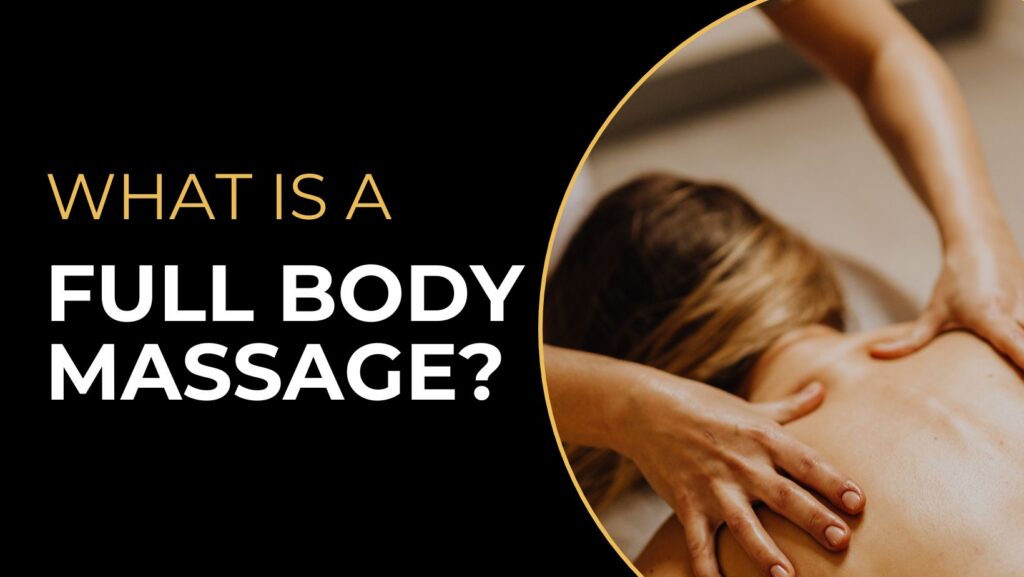
A full-body massage is designed to treat your major muscle groups in one session, with coverage and pressure adjusted to your needs.
When people search for a “full-body massage,” they usually want clear answers to a few simple questions: what areas are included, how flexible the session is, and whether it will feel comfortable, especially if it’s their first time.
This guide explains what a full-body massage typically includes, what “full-body” really means in practice, and how your session is customized at Gold Pro Massage so you know exactly what to expect before booking.
What Is a Full-Body Massage?
A full-body massage works through your major muscle groups in one session
A full-body massage works through your major muscle groups in one session. It is structured to address the main areas of the body rather than focusing on a single problem spot. The goal is balanced coverage so tension is addressed across your body instead of in just one area.
A full-body massage is not a specific massage type
“Full-body” does not describe a technique or style. It describes how the session is organized.
The pressure, pace, and techniques used during a full-body massage depend on what you ask for and what your Registered Massage Therapist recommends based on your goals and comfort level.
Full-body does not mean every area is automatically included
This is one of the most common misunderstandings.
A full-body massage does not mean that every area is worked without discussion. Coverage is always guided by comfort, consent, and relevance to your needs. Some areas may be skipped entirely, while others may receive more focused attention.
A full-body massage can feel relaxing or more therapeutic
A full-body session can be gentle and calming, or more focused and firm. The difference comes down to pressure, pacing, and where time is spent during the appointment.
If you are unsure which approach fits you best, your therapist will help guide that conversation before the session begins.For a breakdown of different massage styles and what each one is best suited for, you can read our guide on Massage Types Explained: A Guide To Each Massage and Who Will Benefit.
What Areas Are Included in a Full-Body Massage?
A full-body massage typically covers the main areas where people hold tension, with time adjusted based on your needs and preferences. Coverage is flexible, not fixed, and always guided by comfort, consent, and clear communication.
In most sessions, this includes:
- Back and shoulders
- Neck
- Arms and hands
- Legs
- Feet
Some areas may receive more attention than others depending on where you carry tension.
At Gold Pro Massage, every session is led by a Registered Massage Therapist who is trained to communicate clearly, respect boundaries, and adjust coverage based on what feels right for you. You are always encouraged to ask questions or clarify preferences before and during your appointment.
Does a full-body massage include the glutes?
Yes, it can, but only with your consent. The glute muscles play an important role in supporting the lower back, hips, and legs, so some clients benefit from this area being included. Others prefer to skip it entirely.
Your therapist may ask first and use proper draping. You are free to say yes, no, or “not today.”
Does a full-body massage include the chest or stomach?
Most full-body massages do not include the chest or stomach. In limited situations, and only when clinically appropriate and with clear consent, an RMT may address surrounding areas.
Many clients choose to avoid these areas altogether, and that is completely normal.
Does a full-body massage include the face or scalp?
Face or scalp work may be included briefly if time allows or if you request it. These areas are usually added for relaxation rather than muscle treatment and are always optional.
How a Full-Body Massage Is Customized to You
A full-body massage is customized in real time based on your comfort, preferences, and how your body responds during the session. You remain in control of what is included and how the massage feels.
You can ask to focus more time on specific areas
If your neck and shoulders are tight, or your lower back needs more attention, your therapist can adjust the session to spend more time where it matters most to you while still providing balanced coverage overall.
You can skip any area entirely
You are never required to include any area in a full-body massage.
If there are areas you do not want worked on, you can simply say so. This may be for comfort, personal preference, or medical reasons. Your session should never feel awkward or uncomfortable.
Pressure is adjustable throughout the session
You can ask for lighter or firmer pressure at any point during the massage. Your therapist will adjust so the session stays effective while remaining comfortable and within your tolerance.
Your RMT helps guide the session plan
At the beginning of your appointment, your Registered Massage Therapist will ask a few questions about how you’re feeling, what you’re hoping to get out of the massage, and whether there are any areas that need special care.
This brief conversation helps shape how the full-body session is structured and ensures the massage matches your needs rather than following a preset routine.
Full-Body Massage vs Targeted Massage Sessions
The difference between a full-body massage and a targeted session comes down to whether tension is spread throughout your body or concentrated in one main area.
Choose a full-body massage if you want overall balance
A full-body massage is a good choice when tension is not limited to a single spot.
It tends to work best if:
- Tightness is spread across your neck, shoulders, back, and legs
- You want to relax without having to plan the session in detail
- You are new to massage and want a general experience
This approach gives your therapist flexibility to address multiple areas while keeping the session balanced and comfortable.
Choose focused work if one area is the main issue
A targeted session may be more effective when most of your discomfort comes from one specific area, such as your neck, shoulders, or lower back.
Many clients alternate between full-body sessions and focused treatments depending on what their body needs at the time. There is no single “right” option, only what fits your current goals.
What to Expect During a Full-Body Massage Appointment
A full-body massage appointment follows a calm, predictable structure.
You will start with a brief consultation
Before the massage begins, your therapist will confirm your goals, preferences, and comfort level. This is your opportunity to mention pressure preferences or areas you want more or less attention on.
You will be properly draped the entire time
Privacy and comfort are always prioritized.
You will be covered with sheets or blankets throughout the session, with only the area being worked on gently uncovered. Proper draping is maintained at all times.
The session follows a smooth, adaptable flow
Full-body massages typically move through the body in a calm, organized way. That flow can be adjusted at any point based on how your body responds or if you want changes made during the session.
You will have time to get up slowly afterward
When the session ends, your therapist will step out so you can take your time getting dressed and reorienting before heading back into your day.
If you’d like a more detailed walkthrough of a relaxation-focused appointment, you can read What to Expect During Your First Relaxation Massage.
Who a Full-Body Massage Is Best For
A full-body massage is best for people who want balanced care across the body rather than treatment focused on a single problem area. It works well when tension, stress, or stiffness is spread out and when flexibility and comfort matter more than targeting one specific issue.
First-time massage clients
A full-body massage is often the easiest place to start if you are new to massage. It allows you to experience different areas being worked without committing to a specific style or focus.
Many first-time clients find this helpful for understanding what areas their body responds to best and what types of pressure feel most comfortable.
People with general tension from stress or activity
If tension is not isolated to one spot, full-body sessions help address the body as a whole rather than chasing symptoms.
This is common for people dealing with work-related stress, long hours of sitting or standing, or general muscle tightness from everyday activity.
Anyone looking for a consistent wellness routine
Many clients use full-body massages as part of a regular self-care routine. Pressure and focus can be adjusted from session to session as needs change, while the overall structure stays familiar.
This makes full-body massage a flexible option for ongoing wellness without needing to re-evaluate the session type every time.
Book a Full Body Massage in Sherwood Park
Choosing the right massage does not require you to have everything figured out in advance.
A full-body massage is designed to adapt to what your body needs that day, with pressure, focus, and pacing adjusted during the session.
If you’re looking for a calming, comfort-focused experience, relaxation massage may be a good fit.
If you want more focused work on tight or overworked muscles, deep tissue massage may make sense.
If you’re unsure, your Registered Massage Therapist will help guide that decision so your session aligns with your goals and comfort level.
To view all available options, durations, and booking details, see our massage services and choose the session that feels right for you.
When you’re ready, book online or contact Gold Pro Massage in Sherwood Park to schedule your appointment.
Note: This article is for educational purposes and not intended as medical advice. Massage therapy can help with many day-to-day concerns, but if you’re managing a health condition or pregnancy, please speak with your doctor first and let your therapist know so your session can be adapted safely.