Reviewed by Registered Massage Therapist Nuchanart (Mew) Kachowski
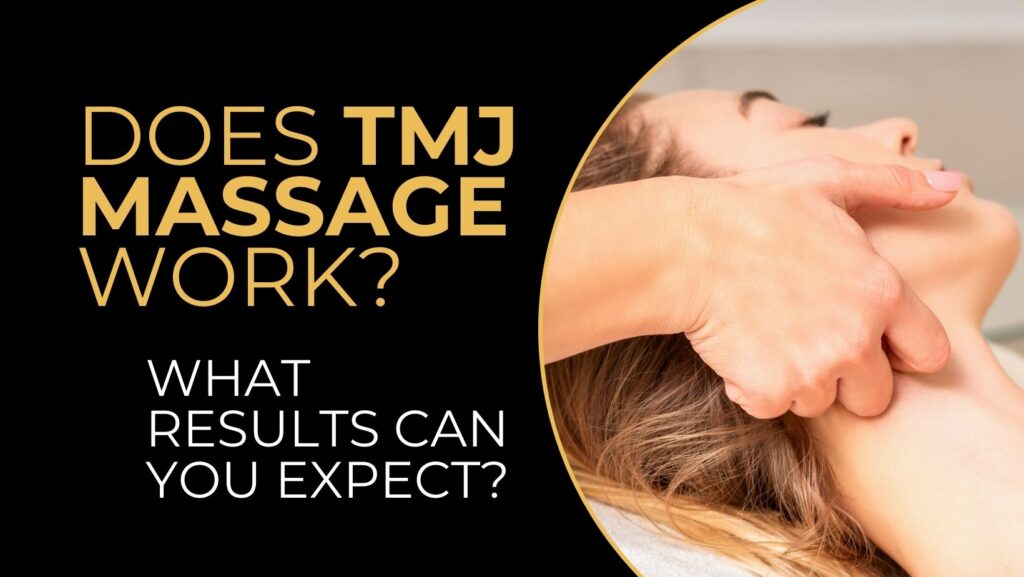
TMJ massage can help reduce jaw tension, headaches, and muscle tightness around the jaw and neck. Massage therapy focuses on reducing the muscle tension that affects how your jaw moves and feels throughout the day, which can ease pressure around the temporomandibular joint and help your jaw move more comfortably.
If you are experiencing symptoms such as jaw tightness, headaches around the temples, clicking when chewing, or tension that spreads into the neck and shoulders, these issues are often connected to overworked jaw muscles. Clenching habits, stress, and long periods of muscle tension can cause these muscles to remain tight and place additional strain on the jaw joint.
TMJ massage works by gently releasing these muscles and improving circulation in the surrounding tissues. If you would like a deeper explanation of how this treatment works, you can read more about what TMJ massage is and how it helps.
As the muscles begin to relax, pressure around the joint can decrease and everyday movements like chewing, talking, or yawning may start to feel easier.
Results can vary depending on the cause of your symptoms and how long the tension has been present. Some people notice improvement relatively quickly, while others experience gradual relief over several sessions as the muscles slowly return to a more relaxed state.
If your jaw feels tight, tired, or strained throughout the day, the muscles surrounding the jaw joint may be working harder than they should. TMJ massage focuses on releasing that tension so the jaw can move more comfortably.
How TMJ Massage Helps Reduce Jaw Pain
If your jaw feels tight, tired, or strained throughout the day, the muscles surrounding the jaw joint may be working harder than they should. TMJ massage focuses on releasing that tension so the jaw can move more comfortably.
Releasing Tight Jaw Muscles
If you clench your teeth, grind during sleep, or carry stress in your jaw, the muscles along the jawline and temples can stay active far longer than they should.
TMJ massage targets these overworked areas to help release built-up tension. As the muscles begin to relax, your jaw may feel less tight, less fatigued, and more comfortable during the day.
Improving Jaw Movement
When the muscles around your jaw remain tense, chewing, yawning, or even talking for longer periods can start to feel stiff or restricted.
By reducing tension around the joint, TMJ massage can help your jaw move more smoothly and make those everyday motions feel easier.
Reducing Tension That Spreads Beyond the Jaw
Jaw tension often affects more than just your jaw. You may also notice pressure near the temples, discomfort around the ears, or tension that spreads into the neck and shoulders.
If those symptoms sound familiar, they may be connected to the same jaw tension pattern. You can read more about that in our guide on Can TMJ Cause Headaches, Ear Pain, and Neck Pain?
What Results You May Notice After TMJ Massage
TMJ massage does not attempt to force the jaw joint into position or manipulate the joint itself. Instead, treatment focuses on releasing the muscles that influence how your jaw moves and how much tension surrounds the joint.
As these muscles begin to relax, pressure around the temporomandibular joint can decrease and the surrounding areas of the head and neck often begin to feel less tense.
The changes are usually gradual. You may begin to notice small improvements in how your jaw feels during everyday activities such as chewing, speaking, or waking up in the morning.
Some of the most common changes people notice include the following.
Less Jaw Tightness and Clenching
One of the first changes you may notice is reduced tightness along the jawline. If you regularly clench your teeth or hold tension in your jaw throughout the day, the muscles along the sides of the face can feel constantly fatigued.
After TMJ massage releases these muscles, your jaw may feel looser and less strained. Some people notice they become more aware of when they are clenching and find it easier to relax the jaw during the day.
Over time, reducing this muscle tension can also decrease the constant pressure placed on the jaw joint itself.
Fewer Headaches Around the Temples
Tension in the temporalis muscles, located along the sides of the head near the temples, is a common contributor to tension headaches associated with TMJ issues.
When these muscles remain tight, they can create pressure that spreads across the temples and sides of the head. Releasing this tension during TMJ massage may help reduce how often these headaches occur or lessen their intensity.
If you frequently notice headaches that begin near the temples or appear alongside jaw tightness, relaxing these muscles can sometimes provide noticeable relief.
Reduced Neck and Shoulder Tension
The muscles that control jaw movement are closely connected to muscles in the neck and upper shoulders. When the jaw remains tense, this tension can gradually spread into these surrounding areas.
After TMJ massage releases the muscles around the jaw and temples, you may also notice less tightness through the neck and upper shoulders. Many people describe feeling a broader sense of relaxation through the head and neck region after treatment.
This can make everyday movements such as turning your head or maintaining good posture feel more comfortable.
Easier Jaw Movement
When the muscles around the jaw are tight, movements like chewing, yawning, or speaking for longer periods can feel stiff or restricted.
As these muscles begin to relax, your jaw may start to open more comfortably and move more smoothly during normal daily activities. Some people notice that chewing feels easier or that their jaw no longer feels as fatigued at the end of the day.
These improvements often develop gradually as muscle tension decreases and the jaw is able to move with less resistance.
How Many TMJ Massage Sessions Are Usually Needed?
The number of TMJ massage sessions you may need depends on how long the tension has been present and what factors are contributing to the symptoms.
If your jaw tension developed recently, you may notice improvement after one or two treatments as the muscles begin to relax. When symptoms have been building for months or years, progress usually happens more gradually because the muscles have been holding that tension for a long time.
If you frequently clench your teeth, grind during sleep, or carry tension in your jaw during stressful periods, your muscles may return to that tight pattern after a single treatment. In these situations, several sessions spaced over time can help the muscles relax more consistently and reduce the strain placed on the jaw joint.
During treatment, your massage therapist may also discuss habits that contribute to jaw tension. Things like daytime clenching, posture, stress patterns, or how you hold your jaw while concentrating can all influence how quickly improvement occurs.
By addressing both the muscle tension and the habits that contribute to it, TMJ massage can help support longer-lasting improvements in how your jaw feels and moves.
When TMJ Massage May Not Fully Resolve the Problem
TMJ massage focuses on reducing the muscle tension that affects how your jaw moves and feels throughout the day. Muscle tension is a very common contributor to TMJ discomfort, but it is not always the only factor involved.
In some situations, jaw pain may also be influenced by things such as bite alignment, dental concerns, joint inflammation, or long-term teeth grinding. When these factors are involved, muscle tension can still play a role, but it may not be the only source of the discomfort.
If this is the case, TMJ massage may still help reduce muscle tightness and relieve some of the pressure around the joint. Relaxing the surrounding muscles can often make the jaw feel more comfortable and may reduce some of the symptoms connected to tension.
However, depending on the underlying cause, additional care from a dentist, orthodontist, or other healthcare provider may also be recommended. TMJ massage is often used as part of a broader approach to managing jaw discomfort.
A proper assessment with a massage therapist can help determine whether muscle tension appears to be a major contributor to your symptoms and whether TMJ massage may be helpful as part of your care.
What a TMJ Massage Session Feels Like
A TMJ massage session is usually more focused and specific than a general massage. The goal is to reduce the tension affecting your jaw and the surrounding areas that often tighten along with it.
Your therapist may work along the jawline, temples, neck, and upper shoulders, depending on where your tension is showing up most. The pressure is adjusted carefully so treatment stays controlled and appropriate for your comfort level.
If deeper jaw muscles seem to be part of the problem, intra oral techniques may be discussed. These are always explained beforehand and only done with your clear consent.
What matters most is not that the treatment feels aggressive, but that it feels targeted. As tension begins to release, you may notice your jaw feels less guarded, less fatigued, and easier to move.If you would like a more detailed breakdown of how a session works, you can read our guide on What Is TMJ Massage?
When You Might Consider TMJ Massage
TMJ symptoms often develop gradually. You may not notice the tension right away, but over time the muscles around the jaw can begin to feel tight, fatigued, or uncomfortable during normal daily activities.
If you are experiencing persistent jaw tension or symptoms that seem connected to the jaw, TMJ massage may be worth considering.
You might consider TMJ massage if you notice:
- Jaw tightness or fatigue throughout the day
- Clicking or popping when opening your mouth
- Headaches around the temples
- Ear pressure that does not seem related to infection
- Neck tension that appears connected to jaw clenching
- Difficulty opening the jaw comfortably
These symptoms are often linked to tight or overworked muscles surrounding the temporomandibular joint. When those muscles remain tense for extended periods, they can place additional strain on the jaw and contribute to discomfort in nearby areas of the head and neck.
Releasing this muscle tension can sometimes help reduce pressure on the joint and make everyday jaw movement feel more comfortable.
When to Consider Speaking With a Healthcare TMJ Massage Therapy in Sherwood Park
Jaw tension can affect much more than just the jaw itself. When the muscles surrounding the temporomandibular joint remain tight, you may begin to notice headaches, facial tension, or discomfort that spreads into the neck and shoulders.
TMJ massage focuses on identifying and releasing the muscles contributing to this tension. By gradually relaxing these muscles, treatment may help reduce pressure around the jaw joint and improve how comfortably your jaw moves throughout the day.
At Gold Pro Massage & Wellness Studio in Sherwood Park, TMJ massage therapy is tailored to the areas of tension you are experiencing. Your therapist will assess the muscles around the jaw, temples, neck, and shoulders to determine where tightness may be contributing to your symptoms.
Treatment focuses on controlled, targeted muscle release designed to reduce tension and support more comfortable jaw movement over time.
If you are experiencing ongoing jaw tightness, headaches near the temples, or discomfort when chewing or opening your mouth, TMJ massage may be worth considering.You can learn more about our TMJ Massage Therapy in Sherwood Park or book a session to discuss your symptoms with a registered massage therapist.
Note: This article is for educational purposes and not intended as medical advice. Massage therapy can help with many day-to-day concerns, but if you’re managing a health condition or pregnancy, please speak with your doctor first and let your therapist know so your session can be adapted safely.