
Reviewed by Registered Massage Therapist Nuchanart (Mew) Kachowski
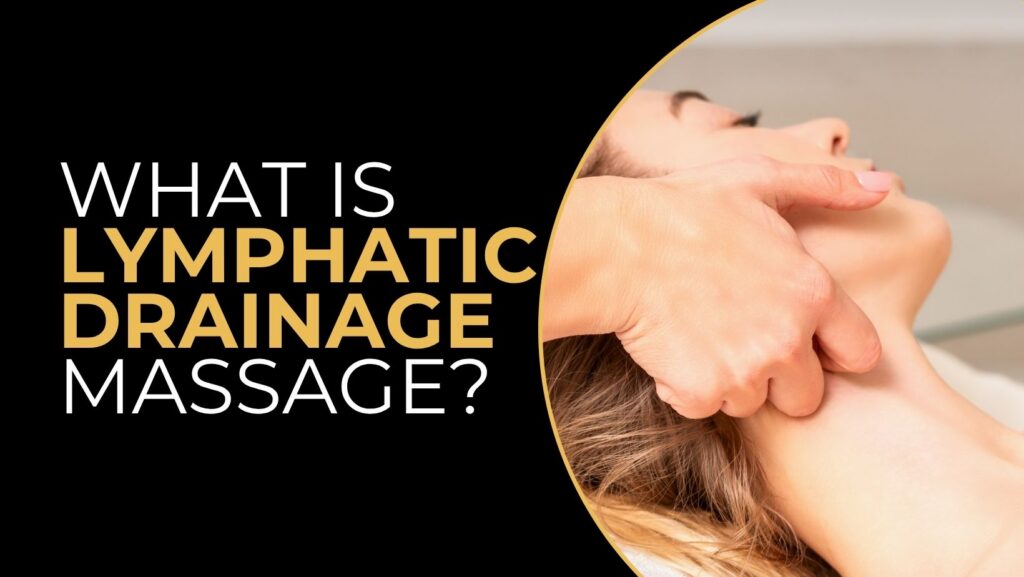
Lymphatic drainage massage is a gentle, rhythmic technique that works with the body’s lymphatic system to encourage the natural movement of lymph fluid through the tissues. Unlike most massage styles, it uses very light pressure and slow, directed strokes rather than working into muscle tissue. The goal is to support a system that most people have never thought about until something feels off.
In other words, think of it like gently nudging a slow-moving stream. Your lymphatic system is always trying to clear fluid and waste from your body, but sometimes it needs a little help getting things moving again. That is exactly what this type of massage is designed to do.
Your lymphatic system is always trying to clear fluid and waste from your body, but sometimes it needs a little help getting things moving again. That is exactly what this type of massage is designed to do.
What Does the Lymphatic System Actually Do?
Your lymphatic system is a network of vessels and nodes spread throughout your body. Its job is to collect excess fluid from your tissues and carry it back into circulation, while also helping your immune system flag and deal with things that do not belong.
Most of the time it does this quietly in the background. You never notice it. Unlike your heart, it does not have a pump driving it forward. It relies on movement, breathing, and everyday muscle activity to keep things flowing.
When that flow slows down or gets congested, fluid starts to build up in the tissues. You might notice puffiness, a heavy or sluggish feeling, or swelling that does not seem to have a clear cause. That is usually the point where people start wondering what is going on.
Why the Lymphatic System Gets Overlooked
Unlike the cardiovascular or muscular systems, the lymphatic system has no dedicated pump and produces no obvious physical signals when it begins to slow down.
Most people know what it feels like when their heart is working hard or when a muscle is sore. The lymphatic system is different. It does not beat, it does not ache, and most of the time you have no idea it is there. It just quietly does its job in the background.
The problem is that things like prolonged sitting, illness, stress, and inactivity can all slow lymph flow down. And when that happens, the effects tend to creep up gradually. Persistent puffiness. A feeling of heaviness that does not lift. Skin that looks a little dull or congested. Nothing dramatic enough to send you to a doctor, which is exactly why the lymphatic system often goes unaddressed for a long time.
How Is Lymphatic Drainage Massage Different From Other Massage?
Lymphatic drainage massage targets the lymphatic system rather than muscle tissue, which makes it fundamentally different from techniques like deep tissue or relaxation massage. Understanding that difference helps set the right expectations before a first session.
Why Pressure and Direction Matter
The pressure is much lighter than most people expect. And that is not just a stylistic choice, it is the whole reason the technique works.
So instead, the strokes are slow and deliberate, the strokes are slow and deliberate, following the direction lymph naturally flows toward the nearest cluster of nodes. The neck, armpits, and groin are where lymph nodes concentrate, and a session is structured to guide fluid toward those points.
There is no deep pressure, no friction, no work into muscle layers. If you have ever had a deep tissue session and are expecting something similar, lymphatic drainage will feel surprisingly gentle. That gentleness is exactly the point.
How It Compares to Other Massage Styles
| Lymphatic Drainage | Deep Tissue | Relaxation | |
|---|---|---|---|
| Pressure | Very light | Firm to deep | Light to moderate |
| Target | Lymphatic vessels | Deep muscle layers | Surface muscle, nervous system |
| Sensation | Gentle, repetitive | Intense at times | Calming |
| Primary goal | Fluid movement | Releasing muscle tension | Rest and stress reduction |
| Best suited for | Puffiness, fluid retention, post-illness | Chronic muscle pain, tightness | Stress, anxiety, general tension |
Not sure which one is right for you? It usually comes down to what you are actually dealing with. If you are puffy, heavy, or still dragging after being sick, lymphatic drainage is likely the better fit. If your neck has been tight for three weeks or your shoulders are carrying the weight of everything, deep tissue or relaxation work is probably what you need. Some people use both regularly for different reasons, and that is completely fine too.
What Does a Lymphatic Drainage Session Feel Like?
Lymphatic drainage massage is one of the quieter, more methodical massage experiences you can have. The pressure is light enough that if you are used to deeper work, your first thought might be that nothing is happening. That is a normal reaction, and it is also a sign the therapist is doing it right.
The strokes move slowly across the skin, following specific pathways toward lymph node clusters in the neck, armpits, and groin. Depending on what you are working on, the session might focus on one area or cover more of the body. Most sessions run somewhere between 45 and 90 minutes.
The lightness of the pressure is intentional. The lymphatic vessels sit just beneath the skin, and heavy pressure would compress rather than encourage them.
What to Expect During and After
During the session it is quiet and unhurried. There is no discomfort the way there can be with deep tissue work. A lot of people find it deeply relaxing. Some fall asleep.
Afterward, do not be surprised if you feel the urge to urinate more than usual in the hours that follow. That is your body processing fluid that has been encouraged back into circulation, and it is completely normal. Some people feel noticeably lighter or less puffy, especially if they came in with visible fluid retention. Others just feel calm or a little tired, similar to how you might feel after a relaxation massage.
One session can give you a sense of how your body responds. But if you are dealing with ongoing fluid retention or chronic puffiness, you will likely get more out of consistent sessions over time than a single appointment.
What Might Lymphatic Drainage Massage Help With?
Lymphatic drainage massage is not a treatment for medical conditions. What it can do is support the lymphatic system’s natural function when it is sluggish, congested, or under stress. If your swelling is tied to a specific diagnosis or surgery, always loop in your healthcare provider before booking.
With that said, there are a few areas where people commonly find it genuinely useful.
Fluid Retention and Persistent Puffiness
This is the most common reason people come in for lymphatic drainage. If you have noticed that your legs feel heavy by the end of the day, your ankles are puffy, or your face looks swollen in a way that does not seem to go away, fluid buildup in the tissues is often what is behind it. Lymphatic drainage encourages that fluid to move and get processed, which can take the edge off both the discomfort and the visible puffiness.
Post-Illness Recovery
After you have been sick, your lymphatic system has been working overtime. It is managing waste, coordinating your immune response, and trying to get things back to normal. A lot of people are left with a lingering heaviness or congested feeling weeks after the actual illness has passed. Lymphatic drainage can help the system finish clearing what it needs to, so your body gets back to baseline a little faster.
Facial Puffiness and Skin Congestion
If you wake up looking puffy, especially around the face, jaw, or under the eyes, that is often fluid that has pooled in the superficial tissues overnight. Lymphatic drainage applied to the face and neck can reduce that puffiness over time and leave the skin looking less congested. To be clear, this has nothing to do with weight loss or fat reduction. That is a separate topic covered in more depth in our lymphatic drainage and weight loss myths.
Who Is Lymphatic Drainage Massage a Good Fit For?
If you are dealing with general fluid retention, recurring puffiness, post-illness fatigue, or that persistent heavy feeling you cannot quite explain, lymphatic drainage is likely worth exploring. It also tends to work well for people who sit or stand for long stretches and regularly notice swelling in their legs or feet by the end of the day.
For people managing lymphedema, lymphatic drainage is commonly used alongside medical care. That said, if lymphedema is part of your picture, this should be coordinated with your healthcare provider or a certified lymphedema therapist rather than approached through general massage on its own.
When to Check With a Provider First
Lymphatic drainage is gentle, but it is not the right fit for everyone. Before booking, it is worth having a conversation with your doctor if any of the following apply to you:
- An active infection or acute inflammation
- A history of blood clots or deep vein thrombosis
- Congestive heart failure or kidney problems
- Active cancer or recent cancer treatment
This is not a complete list. If you have existing health conditions or are recovering from surgery, check with your healthcare provider before your first session. It is always better to ask the question than to assume it is fine.
Frequently Asked Questions About Lymphatic Drainage Massage
Is lymphatic drainage massage painful?
Not at all. The pressure is very light and the strokes are slow and rhythmic. Most people find it deeply relaxing, and some fall asleep. If you have an area that is swollen or tender, your therapist will work gently around it. If anything feels uncomfortable at any point, just say so and they will adjust.
How many sessions do you need to notice a difference?
It really depends on what you are dealing with. Some people walk out of their first session feeling noticeably lighter or less puffy. Others need a few consistent sessions before they start to see a real difference, especially if fluid retention has been an ongoing issue. Your therapist can give you a better idea of what to expect once they know more about your situation.
Should you drink water after lymphatic drainage massage?
Yes, and before too. Going in well hydrated helps your body respond better to the session. Drinking extra water afterward helps your body continue moving and processing fluid in the hours that follow. It does not have to be complicated, just make sure you are not arriving thirsty and drink more than usual for the rest of the day.
Can you do lymphatic drainage massage on yourself at home?
Some people do, but the technique matters more than most realize. The direction you stroke, the sequence you follow, and the amount of pressure you use all affect whether it actually helps. If you want to try it at home, ask your therapist to show you the basics during your session. Following random tutorials online, especially for something like lymphedema, is not the best starting point.
Is lymphatic drainage massage good after surgery?
It is commonly used during post-surgical recovery, particularly when swelling and fluid buildup are part of the picture. That said, timing is everything. You need to be cleared by your surgeon before starting any kind of massage after a procedure. If you are recovering from surgery, have that conversation with your doctor or surgical team before you book.
Can anyone get lymphatic drainage massage?
Most people can, but it is not the right fit for everyone. If you have an active infection, a history of blood clots, heart or kidney problems, or are going through cancer treatment, you should speak with your doctor before booking. If you are not sure whether it is safe for you, that conversation with your healthcare provider is always the right first step.
Does lymphatic drainage massage help with weight loss?
This one comes up a lot, mostly because of what circulates on social media. The short answer is no, not in any meaningful or lasting way. Lymphatic drainage can reduce puffiness by helping fluid move through the body, so you might look or feel a little less swollen after a session. But that is fluid movement, not fat loss. For the full breakdown on this, our lymphatic drainage and weight loss post covers it properly.
Lymphatic Drainage Massage in Sherwood Park
If you have been dealing with persistent puffiness, that heavy feeling you cannot shake, or fluid retention that does not seem to have a clear cause, lymphatic drainage massage might be exactly what your body needs.
At Gold Pro Massage and Wellness Studio in Sherwood Park, every session is tailored to where you are at and what you are trying to address. There is no one-size-fits-all approach here. You can learn more about our lymphatic drainage massage or book when you are ready.
Note: This post is for educational purposes and is not intended as medical advice. If you are managing a health condition, have had recent surgery, or are unsure whether lymphatic drainage is appropriate for you, please speak with your healthcare provider before booking.